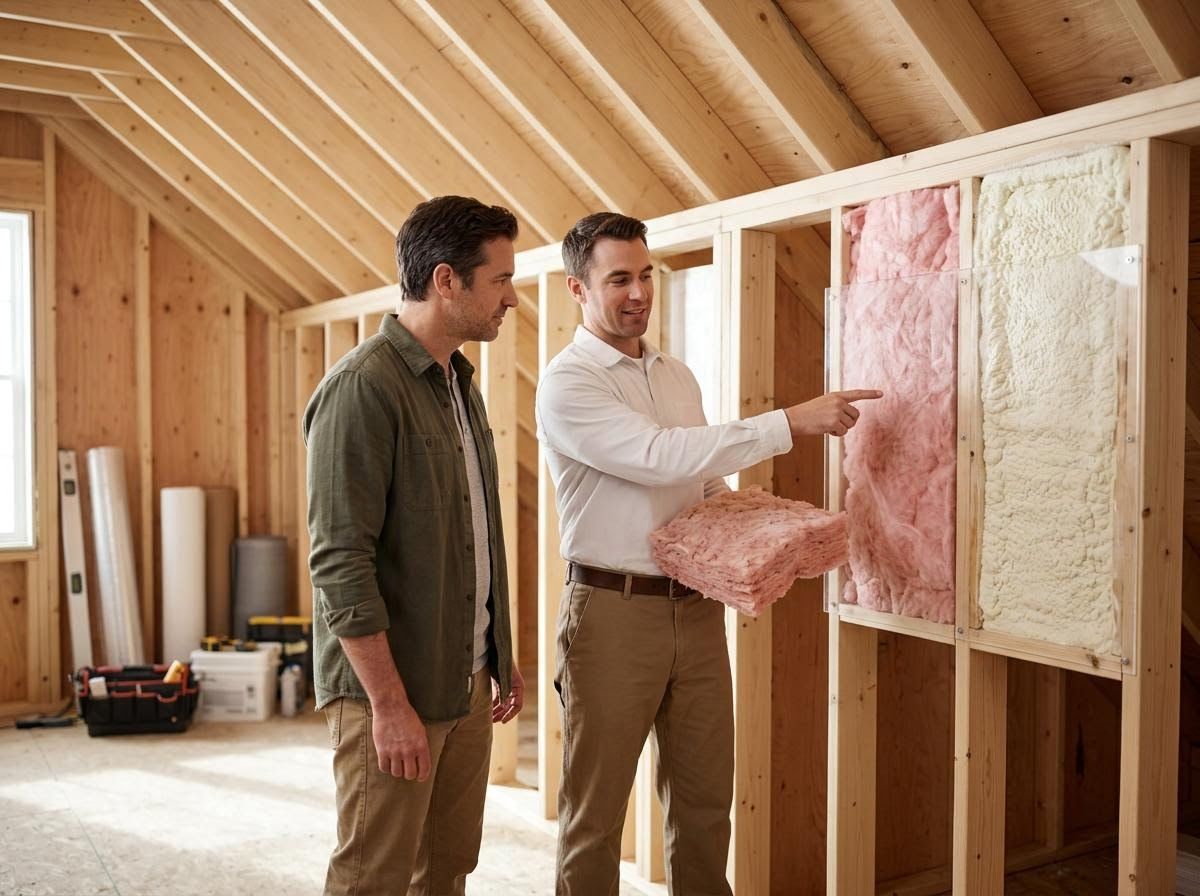
Making the right choices for your home improvement projects, especially when it comes to energy efficiency, can significantly impact your comfort and finances. In Connecticut, where seasons bring a range of temperatures, effective insulation is not just a luxury—it's a necessity. When considering insulation for your home, two prominent insulation types often come up in discussion: spray foam and fiberglass. Best Home Performance LLC is here to help you understand the differences and determine which solution might be the best fit for your specific needs, ensuring your home is prepared for every season.
Understanding Fiberglass Insulation
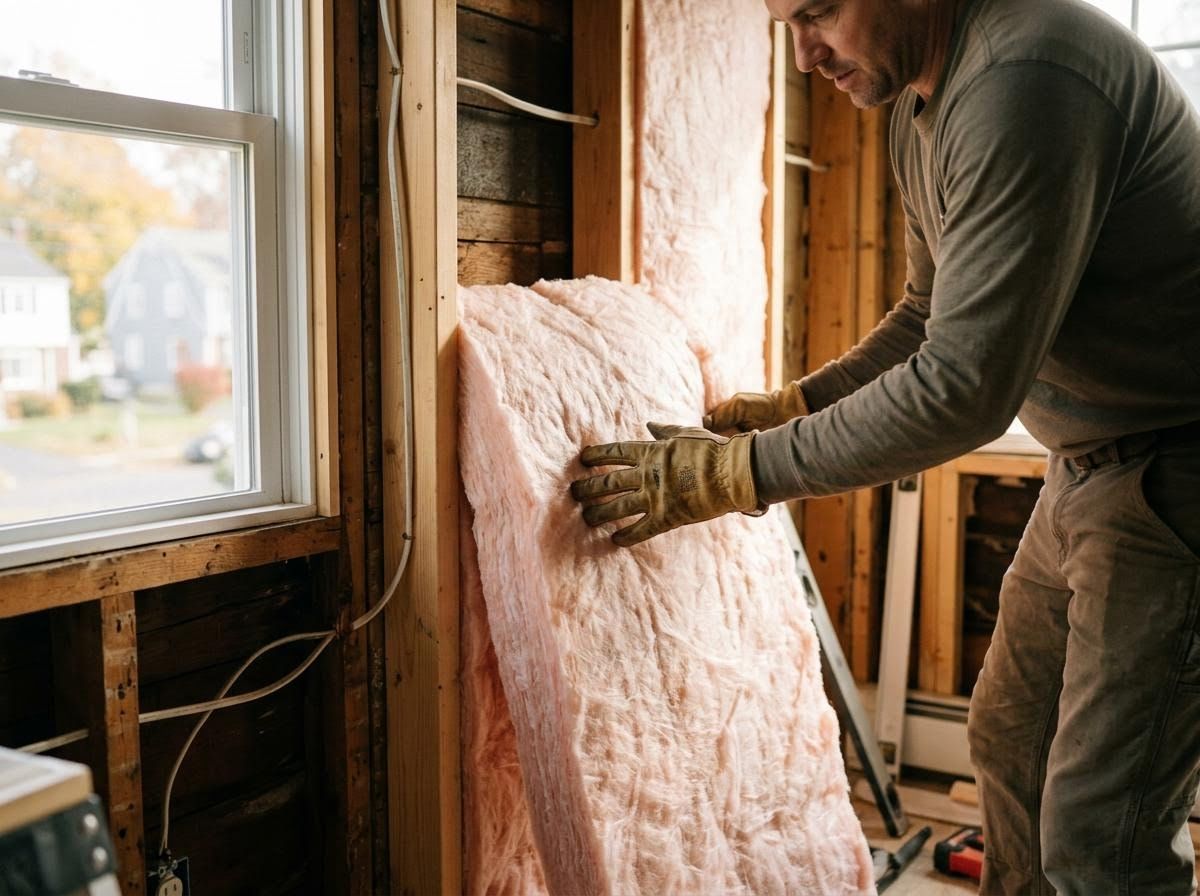
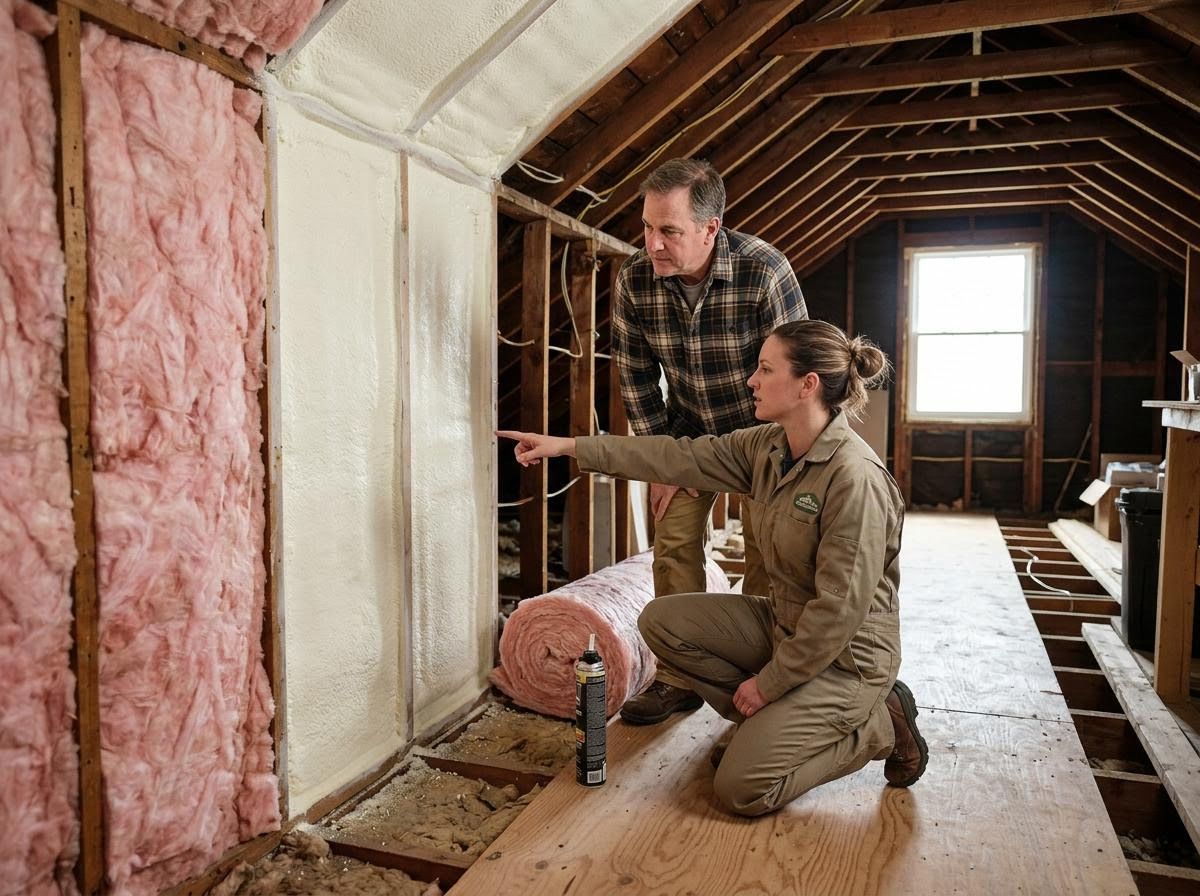
Fiberglass insulation has been a staple in homes for decades, known for its cost-effectiveness and proven thermal performance. Typically made from finely spun glass fibers, it effectively slows heat transfer, making it a reliable choice for maintaining indoor temperatures. Fiberglass is available in batts, rolls, and loose-fill forms, offering versatility for various applications like attics, walls, and crawl spaces. Its ability to be installed in existing wall cavities makes it a popular option for many remodeling services. While it provides excellent thermal resistance, proper installation is crucial to avoid gaps and ensure consistent coverage, preventing air leakage that can compromise its effectiveness.
Exploring the Benefits of Spray Foam Insulation
Spray foam insulation, an advanced insulation solution, offers a distinct approach to sealing and insulating your home. Applied as a liquid, it expands to fill every crack and crevice, creating an airtight barrier that traditional insulation materials cannot match. This superior air-sealing capability is a significant advantage, as it minimizes drafts and drastically reduces energy loss, contributing to substantial savings on energy bills. Spray foam comes in two main types: open-cell and closed-cell. Closed-cell spray foam also adds structural rigidity to your home's framing and acts as a moisture barrier, providing additional layers of protection. While the initial investment might be higher, the long-term benefits in energy efficiency and comfort are often considerable, making it a powerful component of comprehensive home improvement.
Which Insulation is Best for Your Connecticut Home?
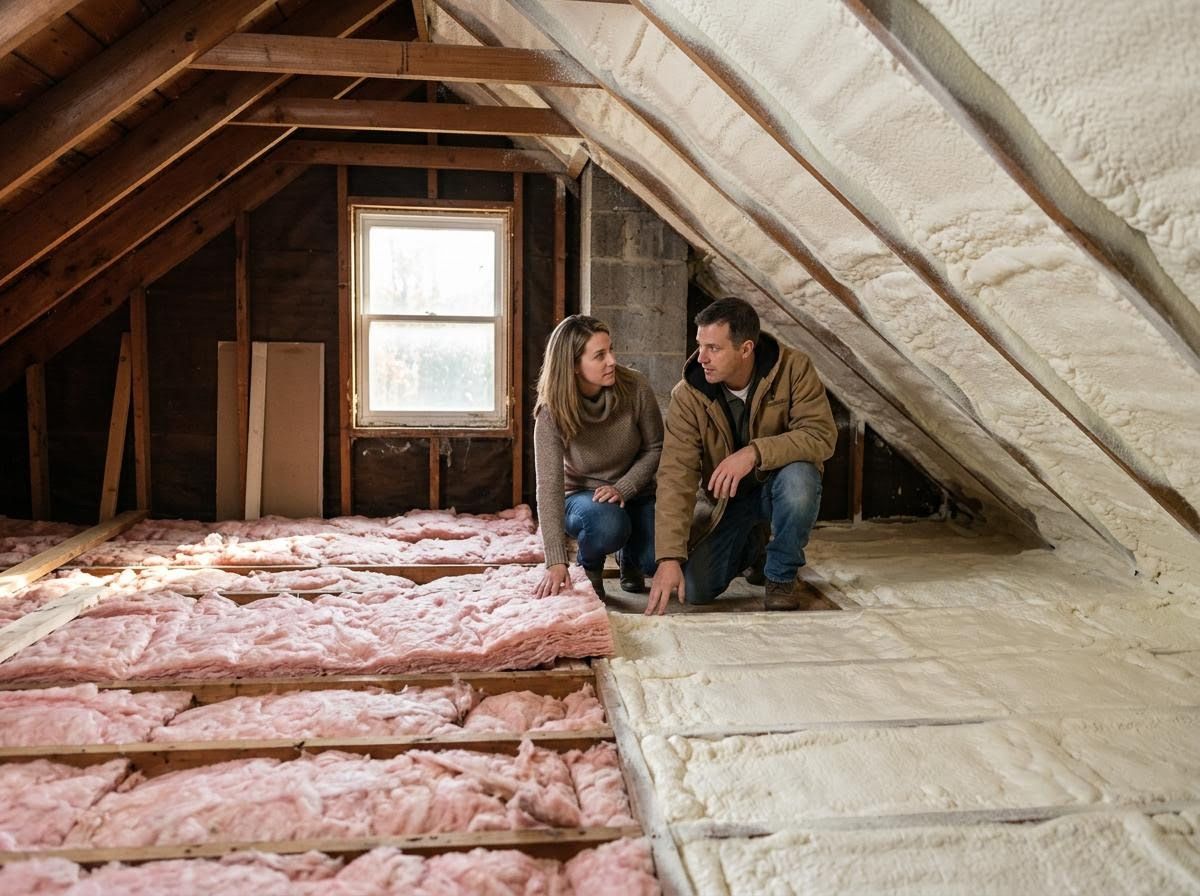
Deciding between spray foam and fiberglass insulation for your Connecticut home depends on several factors, including your budget, desired performance, and specific structural needs. Fiberglass is a dependable, budget-friendly option for general thermal resistance and is suitable for many renovation projects. It's often the go-to for standard wall and attic insulation where cost-efficiency is a primary driver. However, if you're seeking the highest level of energy performance, superior air sealing, and an insulation material that can also contribute to structural integrity and moisture control, spray foam presents a compelling case. Its ability to create an impermeable barrier against air infiltration is particularly beneficial in Connecticut's varied climate, protecting your home from both winter's chill and summer's humidity. Ultimately, the "best" option aligns with your specific goals for energy savings, comfort, and overall home improvement.
Choosing the ideal insulation solution requires a clear understanding of your home's unique requirements and your long-term efficiency goals. At Best Home Performance LLC, our commitment to quality insulation services ensures that you receive the most effective and efficient solutions tailored to your home. We believe in transparent communication and expert guidance, empowering you to make an informed decision for a more comfortable and energy-efficient living space. For a deeper dive into how different insulation types can benefit your property and to discuss your specific needs, reach out to our team of specialists today.