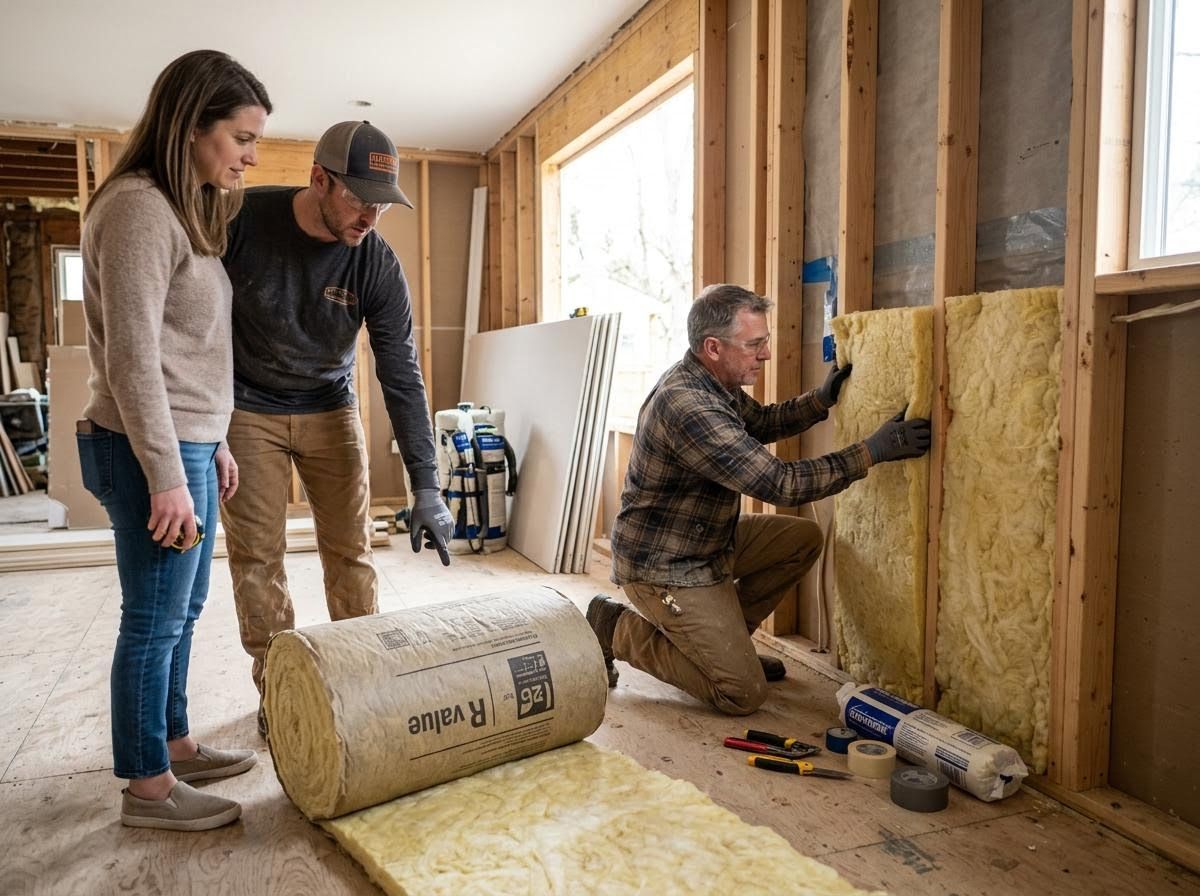
Embarking on a home remodeling project is an exciting venture, offering the perfect opportunity to enhance your living space and boost overall home performance. Before you dive into the aesthetics and layout changes, it's crucial to consider the foundational elements that significantly impact comfort and efficiency, with insulation at the forefront. At Best Home Performance LLC, we consistently advise homeowners that integrating insulation upgrades into your remodeling plan can lead to substantial long-term savings and a dramatically improved living environment. This proactive approach ensures your renovation isn't just visually appealing but also a wise investment in your home's energy future.
The Undeniable Advantage of Pre-Remodel Insulation Upgrades
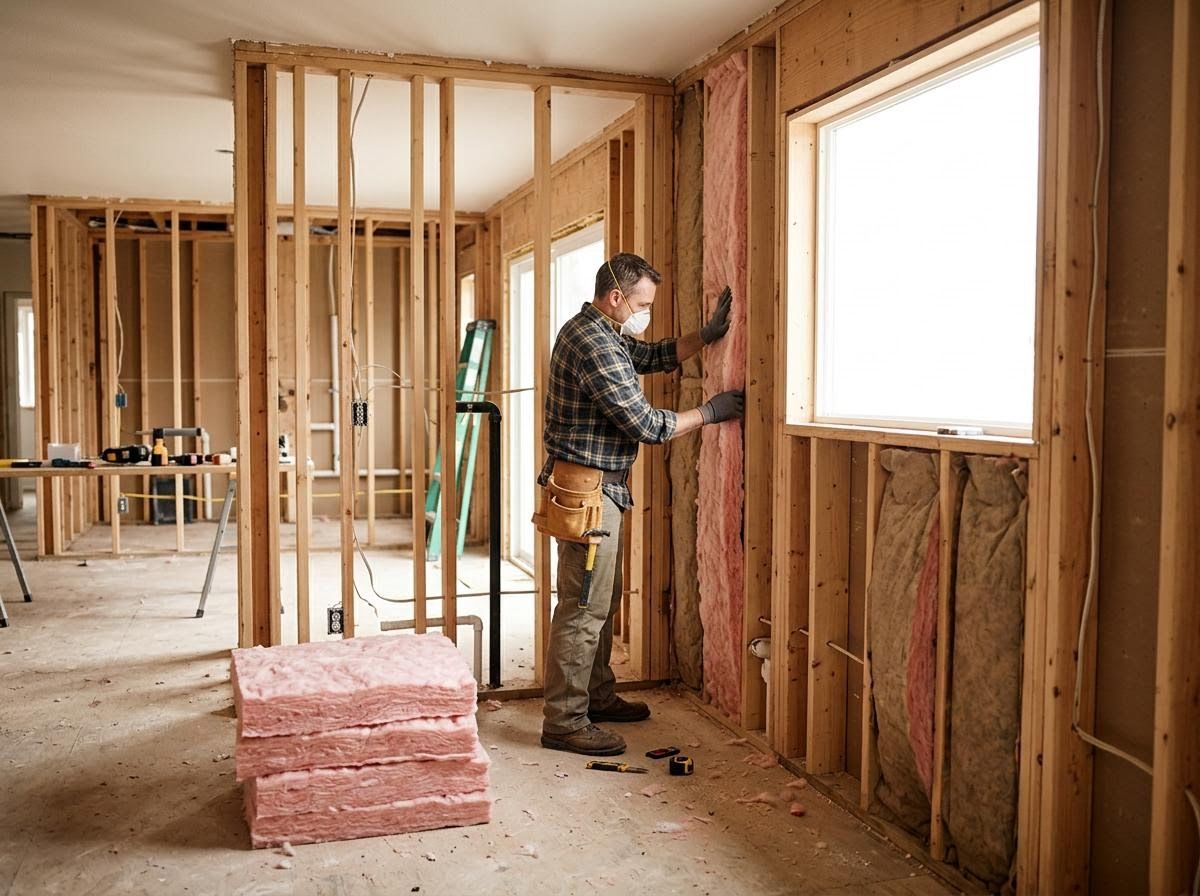
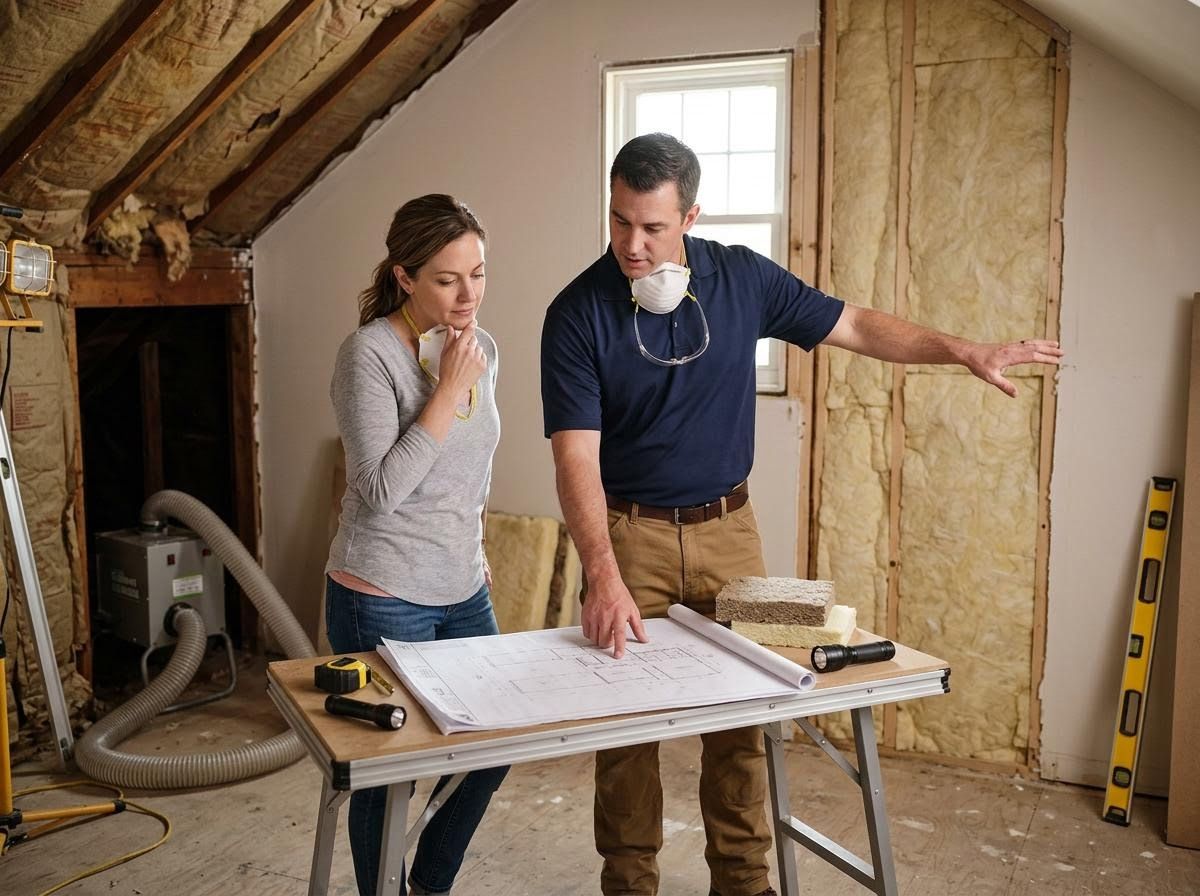
When undertaking any home improvement project, especially one as extensive as remodeling, the walls, ceilings, and floors often become exposed. This rare access presents an optimal, cost-effective window to install or upgrade insulation. Trying to retrofit insulation after a remodel is complete can be far more disruptive, expensive, and may compromise your newly finished interior. Prioritizing insulation ensures you're building a foundation for efficiency and comfort from the ground up, preventing common issues like drafts, uneven temperatures, and high energy bills before they even start in your newly transformed space. It's about smart planning that pays dividends for years to come.
Pinpointing Key Areas for Enhanced Insulation
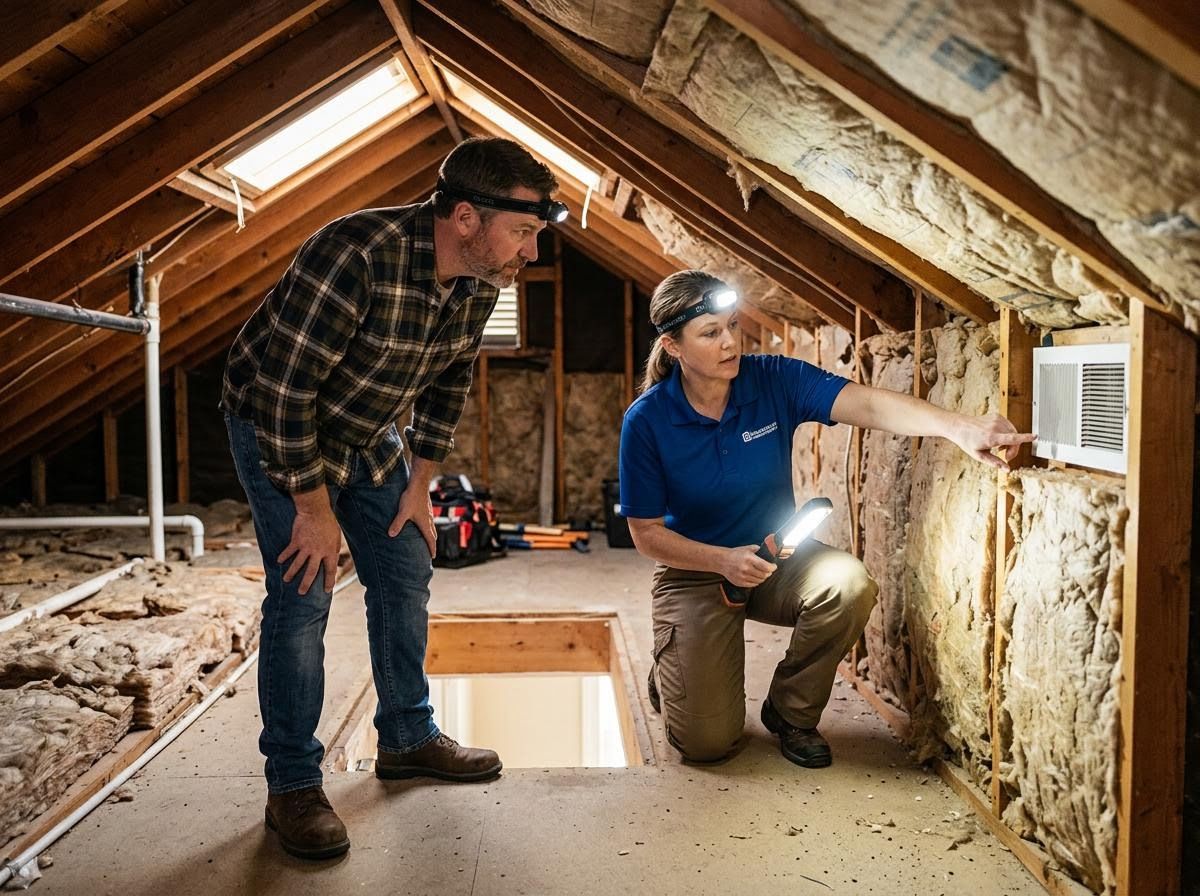
Effective insulation transforms a house into a truly comfortable and energy-efficient home. During a remodel, pay close attention to areas that historically contribute most to energy loss: the attic, exterior walls, and crawl spaces or basements. The attic is often the easiest and most impactful area for insulation upgrades, preventing heat from escaping in winter and entering in summer. Addressing wall insulation during structural changes or siding replacement is also highly effective. Don't overlook crawl spaces and basements; proper insulation in these areas can prevent moisture issues, improve indoor air quality, and contribute significantly to overall home comfort. Considering these critical zones as part of your remodeling services can drastically improve your home's performance.
Navigating the Various Insulation Types
The market offers a range of insulation types, each with unique properties suited for different applications, and choosing the right one is key to maximizing energy savings and comfort. Spray foam insulation provides an excellent air seal, conforming to cavities and blocking drafts, making it ideal for walls and difficult-to-reach areas. Blown-in insulation, often cellulose or fiberglass, is perfect for attics and existing wall cavities, offering good thermal resistance. Radiant barrier insulation, typically fiberglass or mineral wool, is a common choice for new construction or exposed wall framing. Understanding these different insulation types and their appropriate applications ensures you select the most effective solution for your specific home improvement needs, enhancing both thermal performance and safety.
Investing in your home's insulation before embarking on a significant remodeling project is a decision that truly champions both comfort and efficiency. It’s an expert, reliable strategy that ensures your newly renovated home is not only beautiful but also performs optimally, providing a consistently comfortable environment and noticeable energy savings. By proactively addressing your insulation needs, you are laying the groundwork for a more sustainable and enjoyable living space. To understand which insulation services are best suited for your specific home and remodeling plans, consider reviewing comprehensive guides on effective home insulation solutions.